01 · Basics
Cask strength and bottling strength
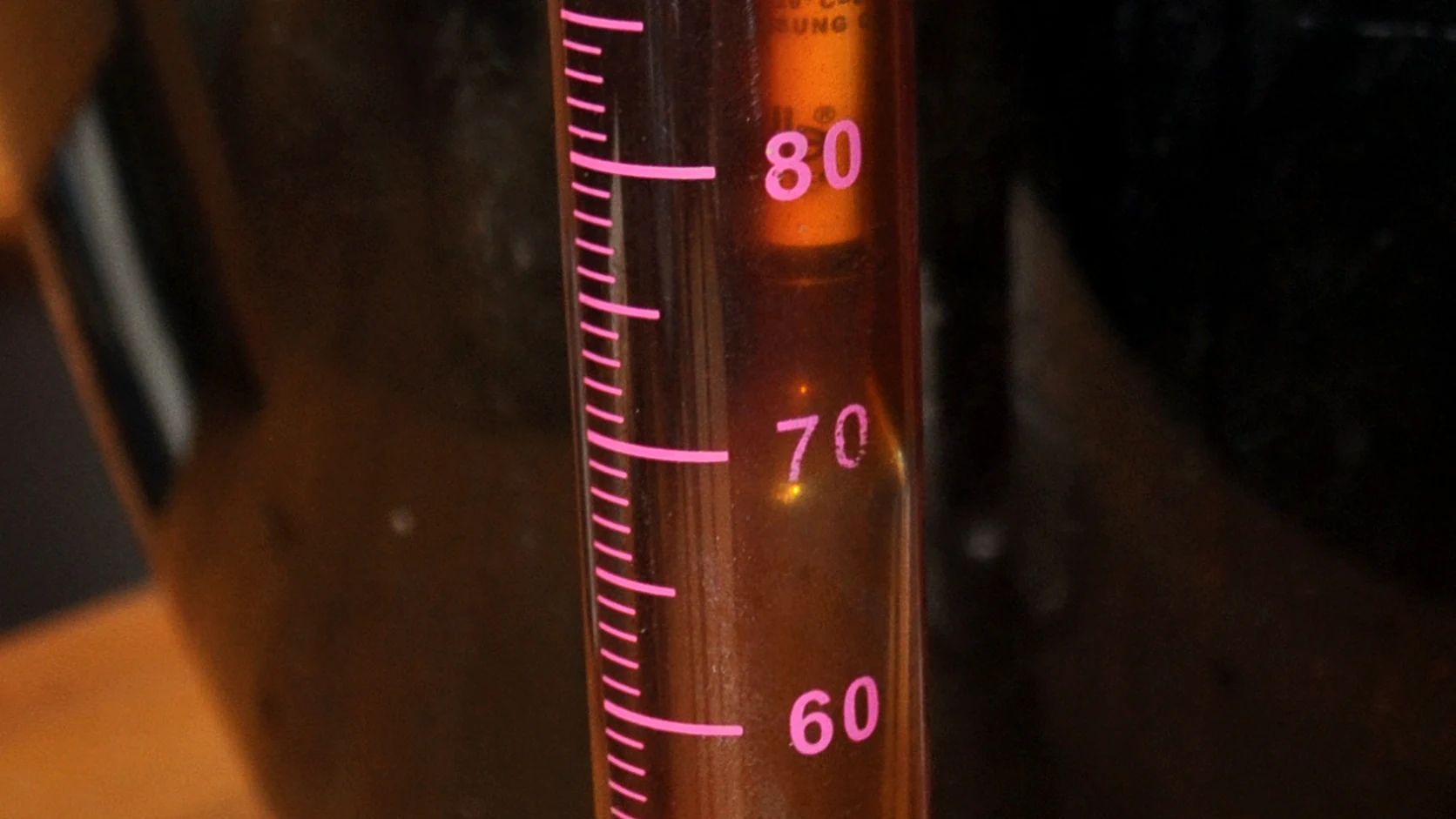
Explains the difference between 40·46·50·55% and cask strength, and why the aroma and texture change when water is added.
WHISKY KNOWLEDGE
Connect choices from the games with real whisky knowledge while keeping regulations, industry practice, and game balance clearly separated.
Explains the difference between 40·46·50·55% and cask strength, and why the aroma and texture change when water is added.
Find out what the 12 and 18 years on the label mean and whether longer aging necessarily makes it better.
We explain the difference between official distillery bottling and independent bottling, single cask and cask strength indications, and how to check the label.
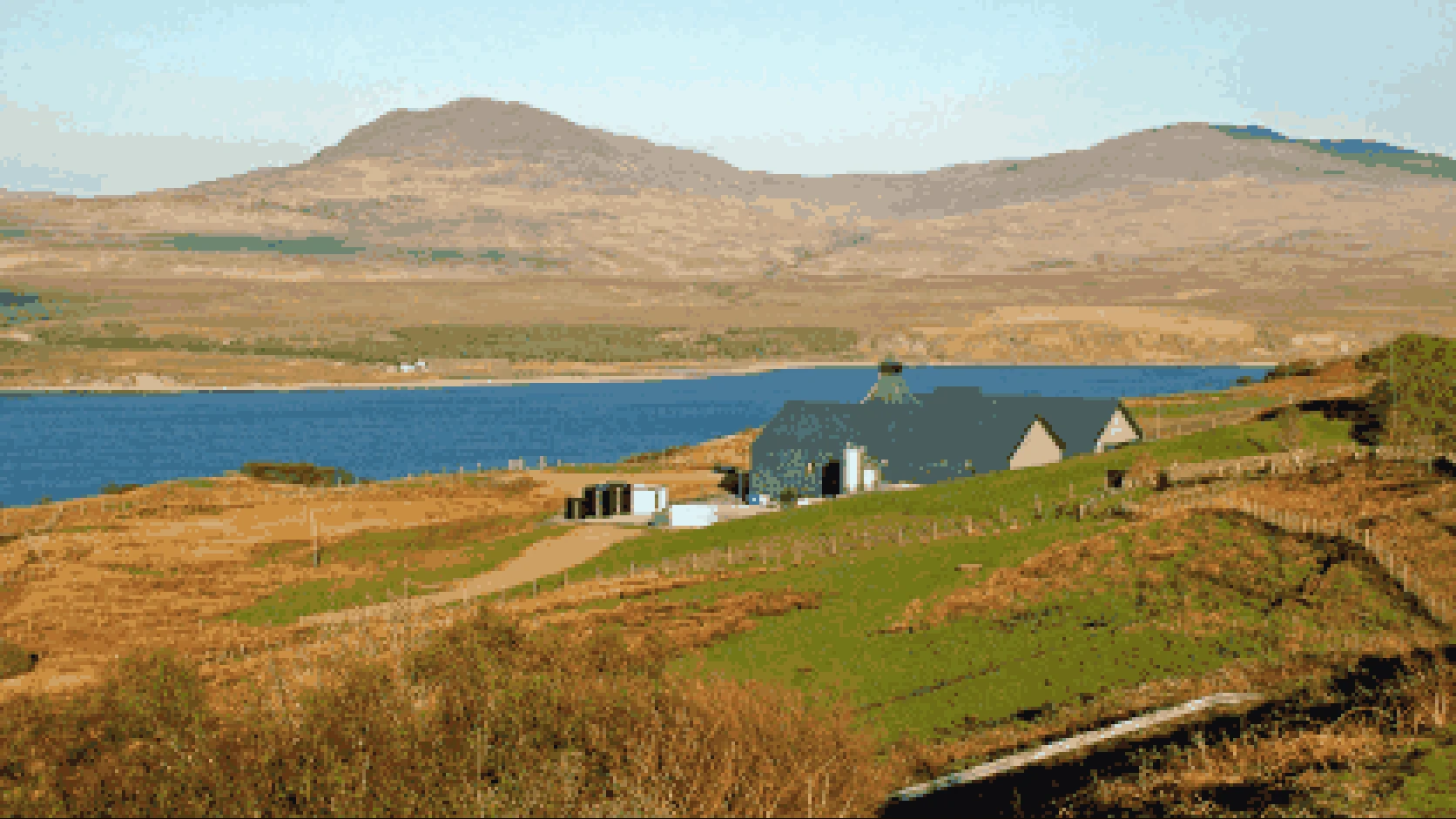
Distinguish between the legal regions and flavor trends of Speyside, Highlands, Lowlands, Isla and Campbelltown.
We look at the flow of Scotch whisky from records dating back to 1494, through legal distillation, continuous stills, and modern-day legal protection.
Scotch whisky's legal manufacturing conditions, five types, region, age, and labeling rules are summarized in one place.
Explains the legal definition of single malt Scotch whisky and the difference between blended malt and single grain.
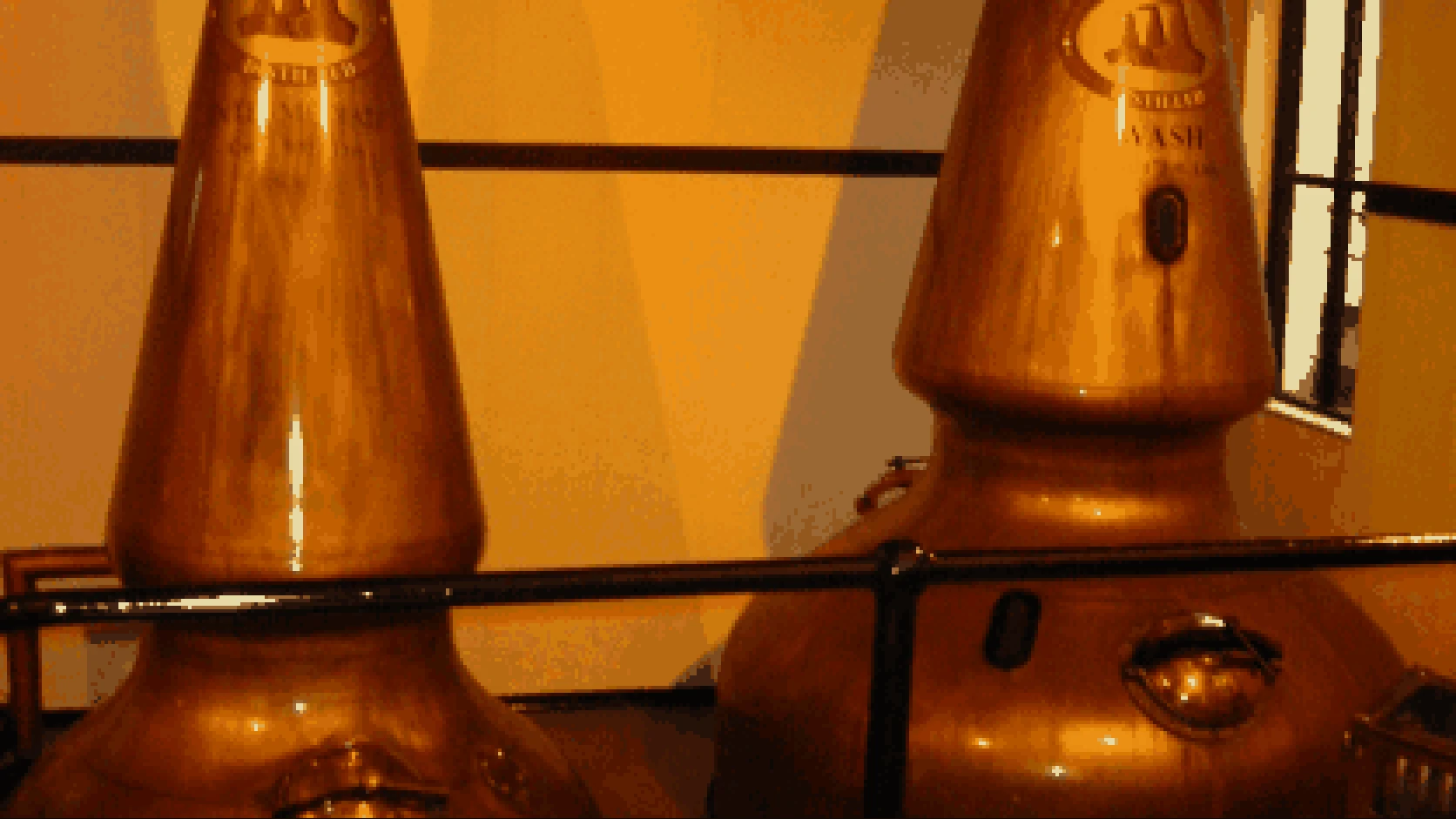
The entire flow of single malt production is explained step by step, from malting, mashing, fermentation, distillation, incorporation and maturation.
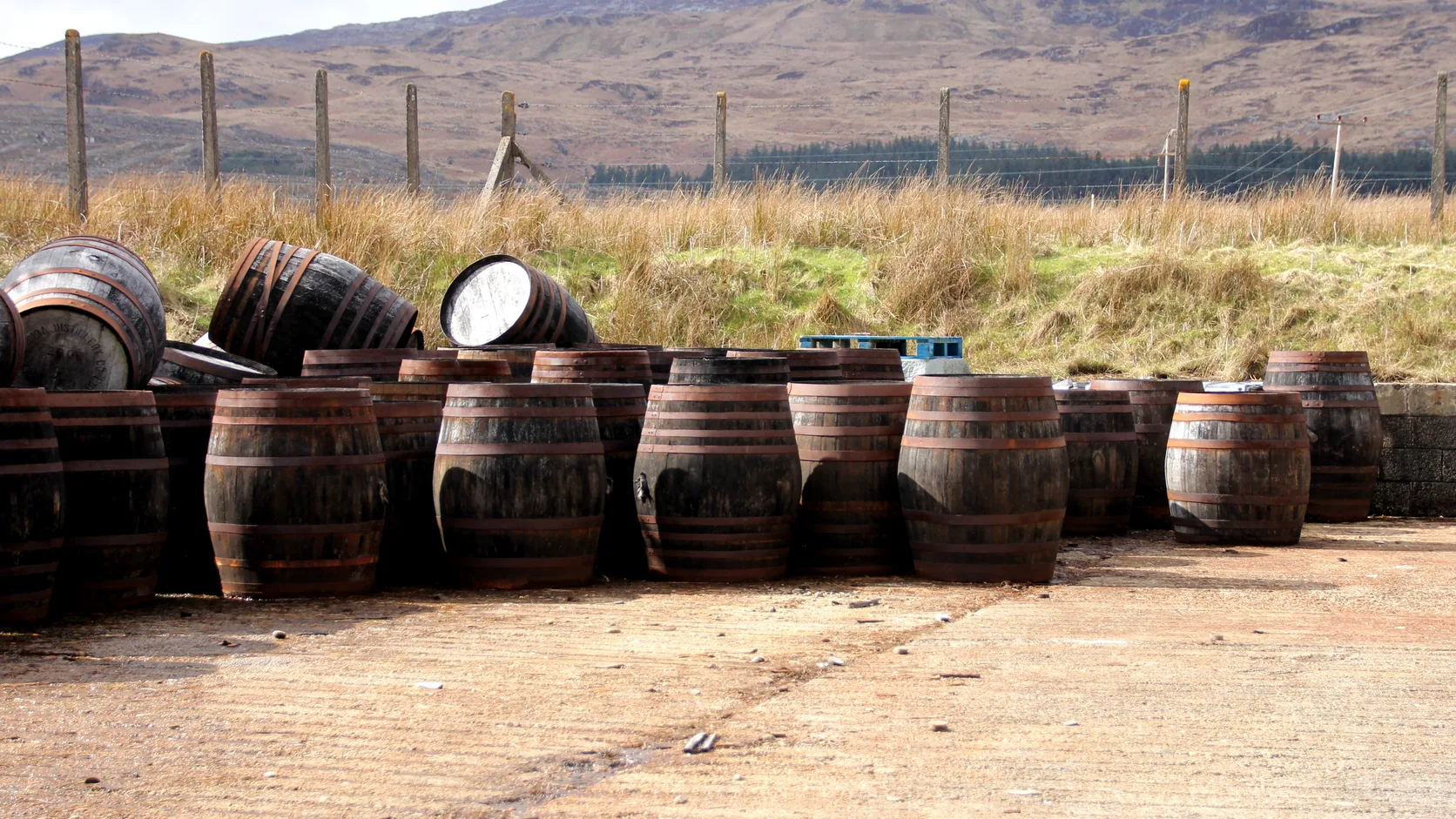
What the roughly 2% annual evaporation known as the angels' share is, and how warehouse conditions change a cask's strength and volume.
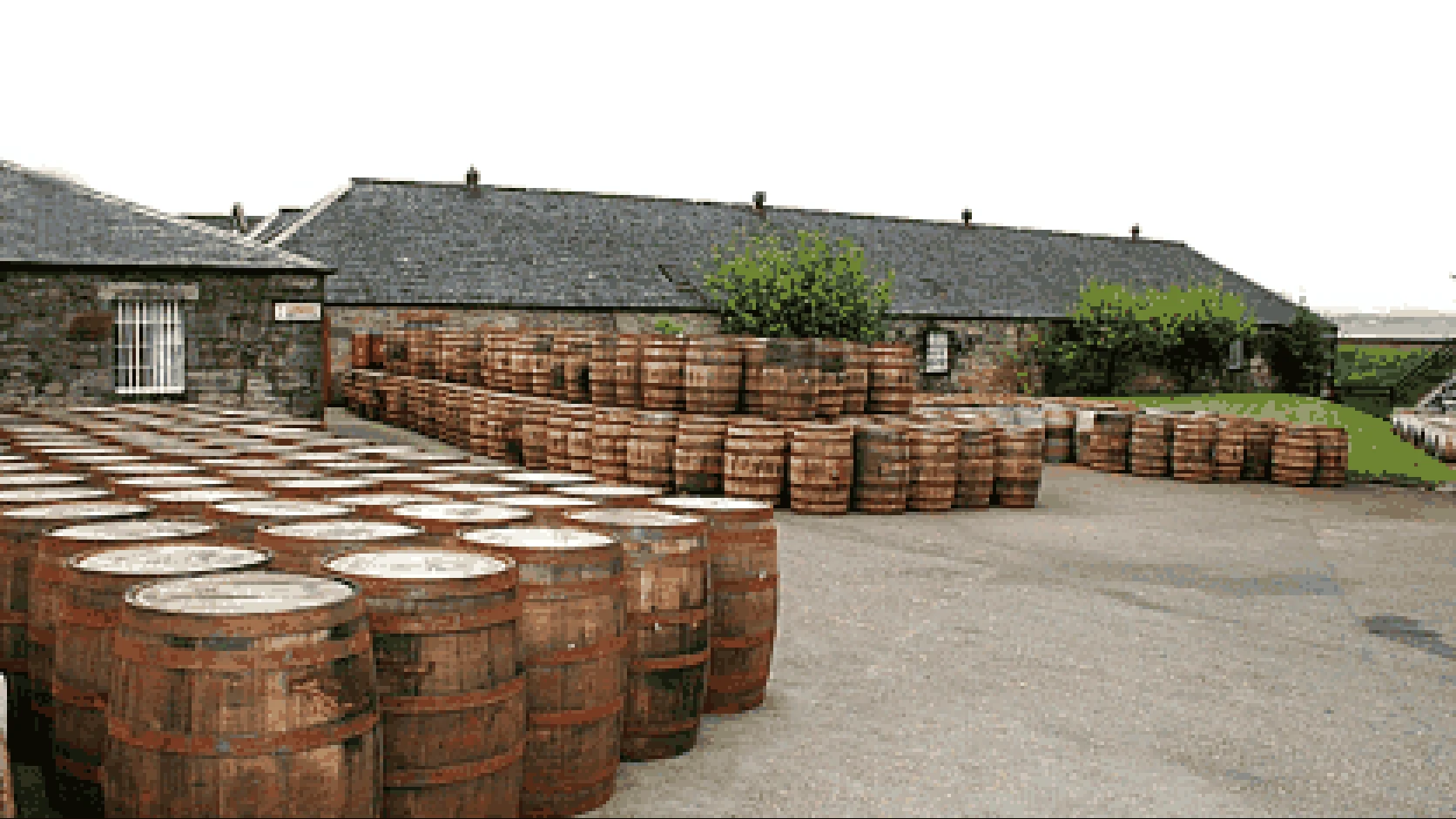
We explain how the number of times a cask is used affects the strength of the extraction and the personality of the spirit.
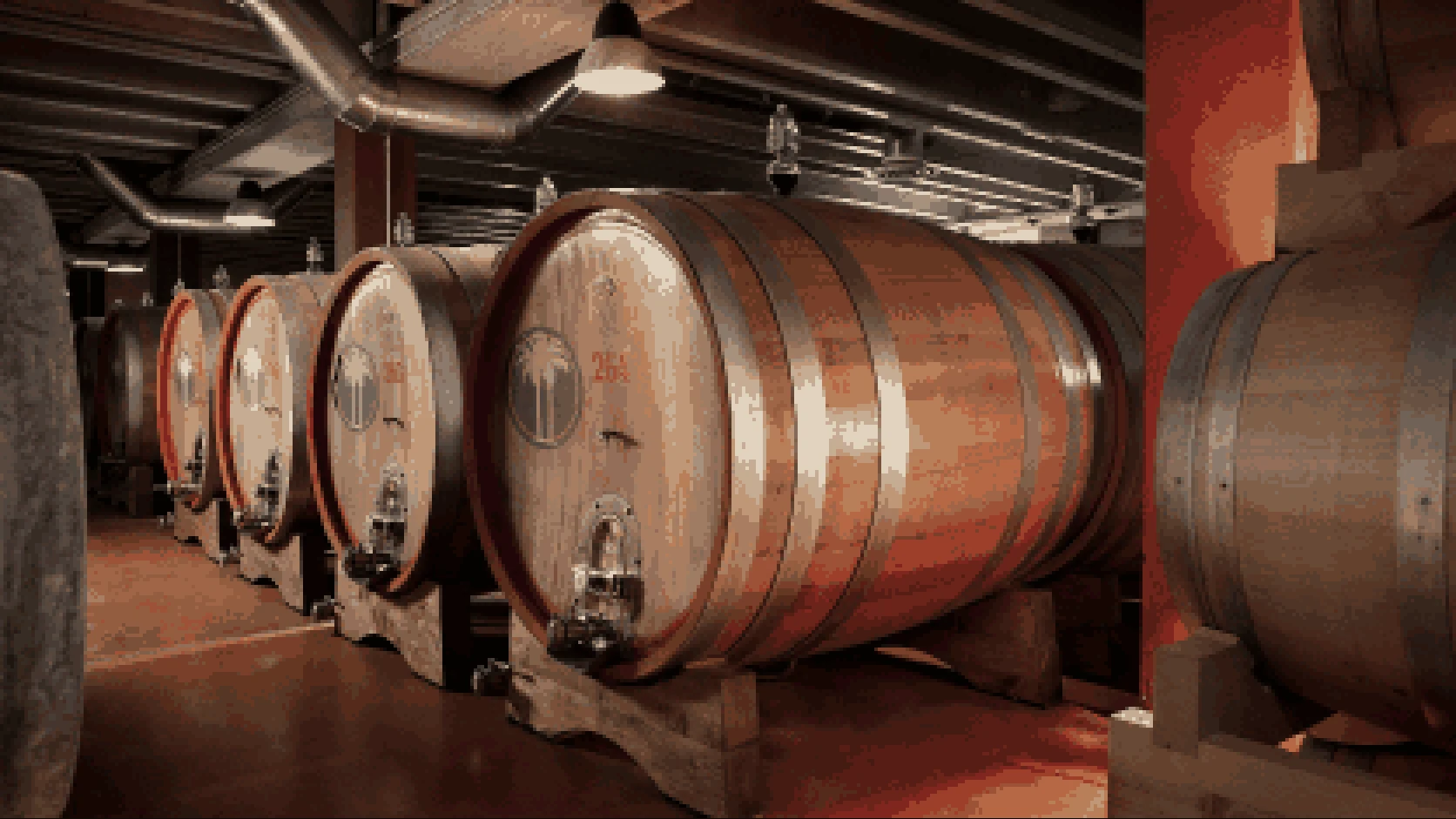
It explains the difference between the finishing method of transferring to another cask after maturation and the method of combining the two cask liquors.
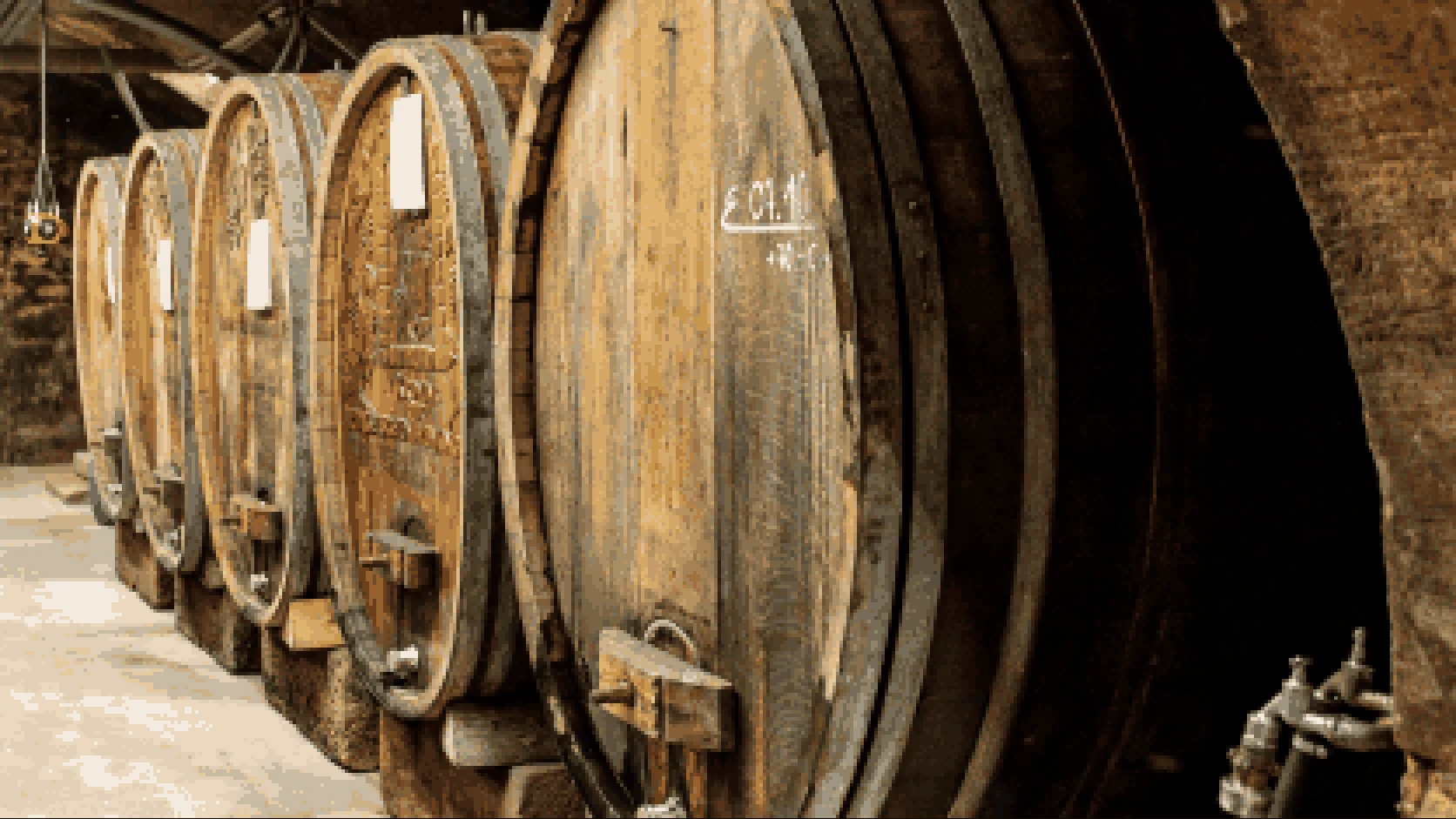
Compare the flavor aromas of bourbon, oloroso, PX, port, wine and mizunara casks.
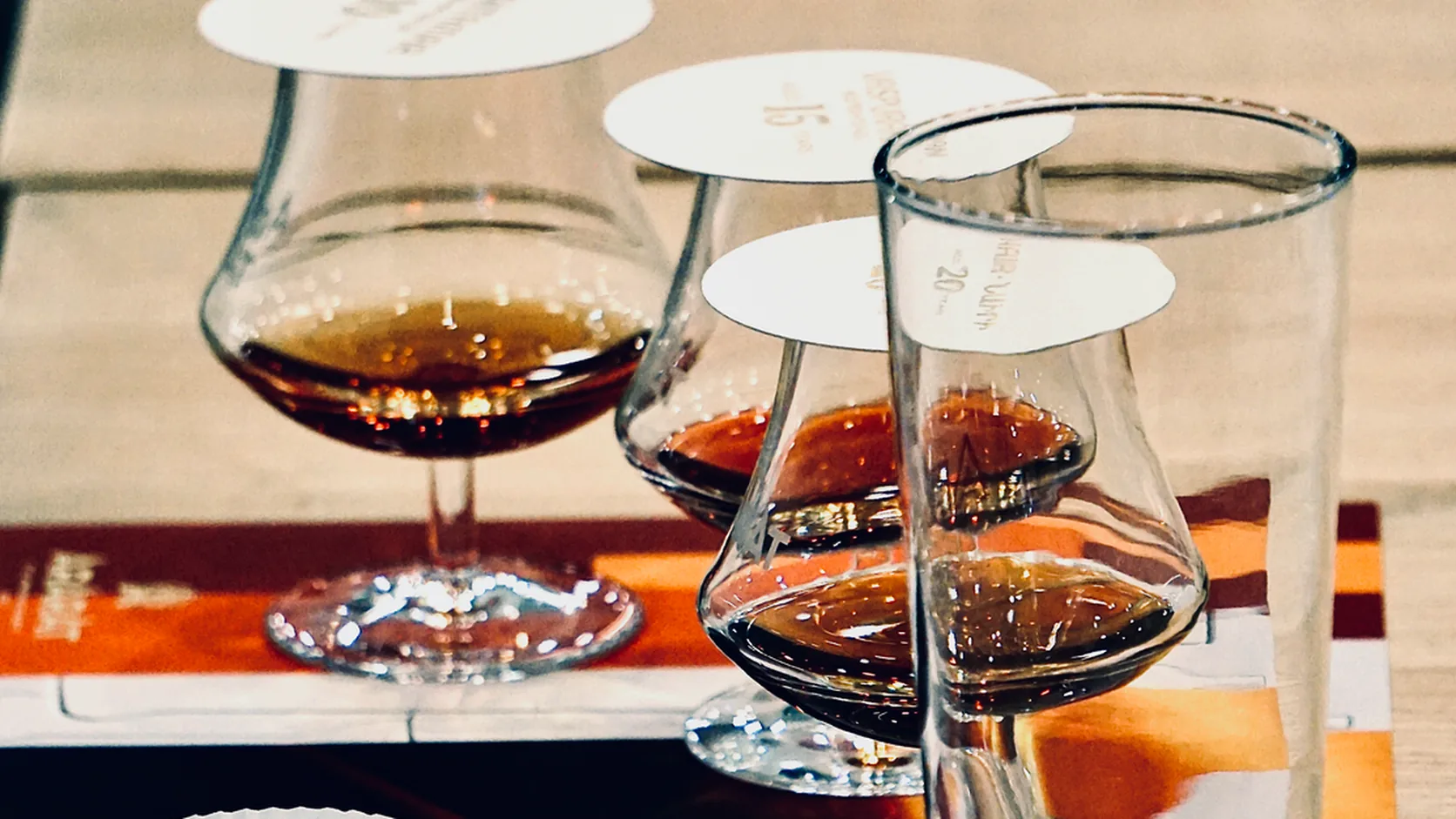
Instead of guessing the scent as the correct answer, we will guide you through narrowing down from a broad category to a specific expression.
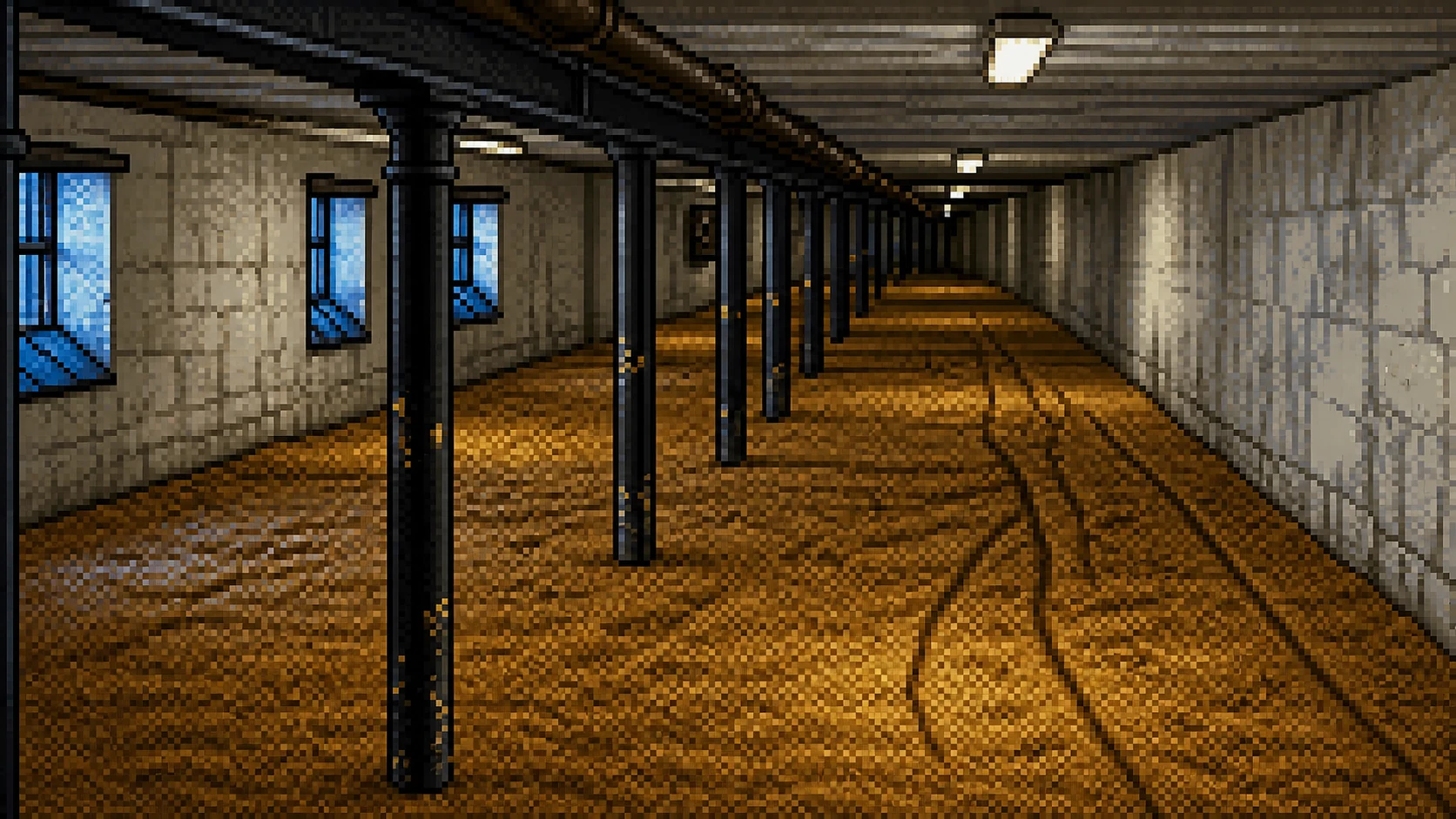
Explains how the peat aroma develops during the barley drying process and why the PPM and smoke aromas in the glass are not the same.