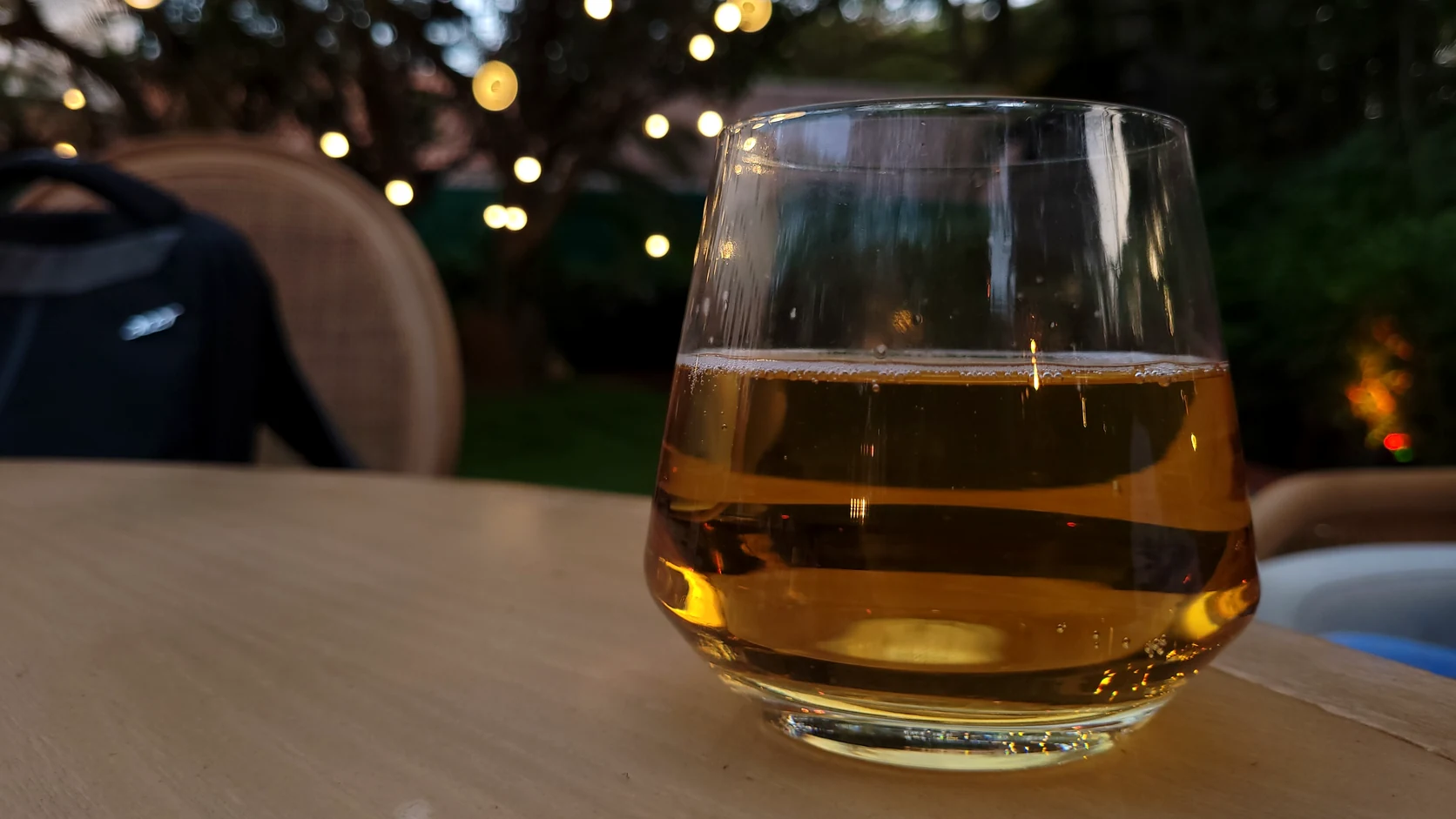
Natural Color
In Scotch whisky, regular caramel coloring permitted by law may be used for color adjustment purposes. The 'Natural Colour' or colorant-free labeling is the producer's explanation that the color of the bottle comes mainly from the undiluted liquor and cask. Darker color does not necessarily mean it has been aged for a long time or has a richer flavor.
Non-Chill Filtered
whisky contains ingredients such as fatty acid esters that can appear cloudy at low temperatures or when water is added. Chill filtering is a process that cools the product and then filters out some ingredients to stabilize its appearance. Non-chill filtered is used to mean no or minimal chill filtration.
| display | What you can know | Unknown |
|---|---|---|
| Natural Color | Claim that caramel for color adjustment was not used | Age of maturation, quality score |
| Non-Chill Filtered | Claims of no chill filtration | Guaranteed to have a stronger aroma and better taste |
In the maker game, both items have cost and market valuation effects, but in reality, it's information that helps consumers understand how things are made. It is better not to use the indication itself as a quality ranking rather than the tasting results.
Why colour cannot reveal age by itself
Colour is influenced by oak, previous contents, heat treatment, fill history and batch composition, not age alone. A young first-fill cask may look darker than an older refill cask, while lighting and glass also change appearance. Natural colour tells you about colour adjustment, not whether pale or dark whisky is better.
Does haze mean the whisky has spoiled?
Non-chill-filtered whisky may become cloudy when chilled or diluted because some retained compounds are less soluble at lower temperature and strength. That appearance alone does not mean spoilage. Unusual odour, a failed seal or poor storage should still be assessed separately from ordinary chill haze.
What a blind comparison can show
Hide the label and, if possible, the colour. Compare aroma, texture, finish and willingness to drink again before revealing the production claims. A single comparison cannot isolate filtration from differences in spirit, cask and ABV, but it can show whether expectation changed perception.
Read these details together
Check ABV, age or NAS status, cask and finish, bottler and legal category alongside natural colour and non-chill-filtered claims. The full label explains the producer's choices more reliably than one phrase used as a score.