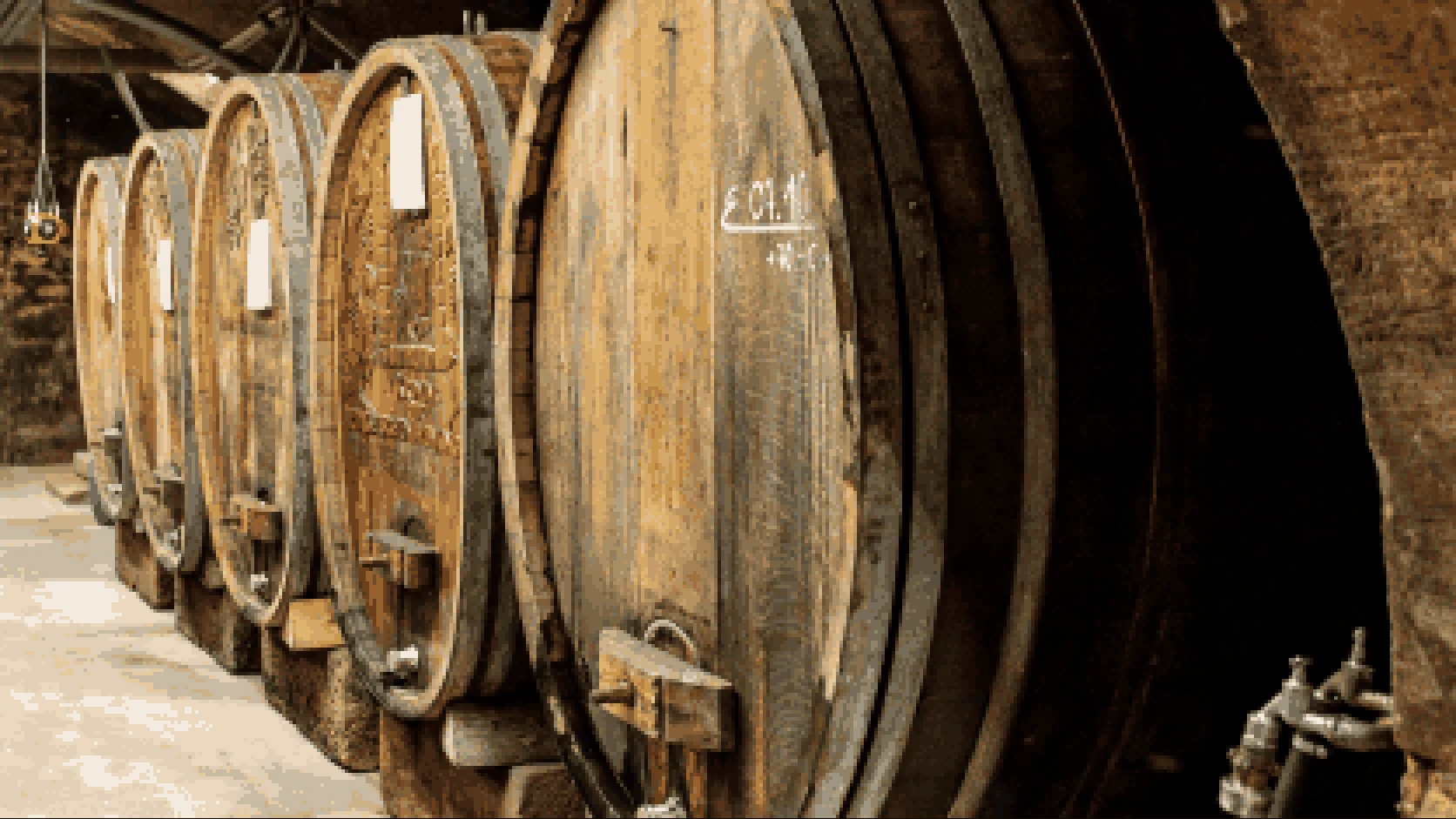
Cask creates direction
During maturation, the whisky acquires vanilla, spices and tannins from the oak, which interact with traces of the alcohol the cask previously contained. Even if it is the same type, the results vary greatly depending on the oak species, toasting/charing, previous contents, storage conditions, and maturation period.
| Series | Directions frequently associated with |
|---|---|
| Ex-Bourbon | Vanilla, Coconut, Honey, Citrus |
| Oloroso Sherry | Nuts, dried fruits, spices |
| PX Sherry | Impression of raisins, figs, and rich sweetness |
| Port | Red fruit, berry, wine tannin |
| Red Wine | Cherry, plum, tannin and dryness |
| Rum | Fragrance reminiscent of tropical fruits and molasses |
| Mizunara | Impression of fragrant wood, spices, and coconut |
These expressions are not a definitive list of tastes but tend to be frequently used in sensory evaluation. You should not judge the taste of a bottle just by looking at the cask type.
Cask Table for Maker Games
[GAME_CASK_TABLE]
Why casks in the same family differ
The words sherry cask do not reveal the oak species, size, previous wine, seasoning history, number of fills or warehouse position. Toasting, charring, repairs and storage condition also change extraction. Two casks carrying the same broad description can therefore produce different colour, aroma and texture.
A cask both adds flavours and changes the spirit already present. An active cask is not automatically superior: intense wine and tannin can hide delicate fruit or cereal character, while a well-managed refill cask may preserve the distillery style during long maturation.
What to check on a label
Look for matured in versus finished in, a broad family versus a specific former content, and terms such as first-fill, refill or virgin oak. Then check whether the release is a single cask or a batch, and read age and bottling strength alongside the cask description. More detail offers more evidence, but it is not a quality grade.
Comparing cask families by tasting
Compare whiskies of similar age and strength when possible. Nose for vanilla and citrus against nuts and dried fruit, then compare sweetness, tannin and the oak left in the finish. Do not begin with colour alone. Maker prices and flavour lists are game data designed to separate choices, not real cask prices or a ranking of cask quality.