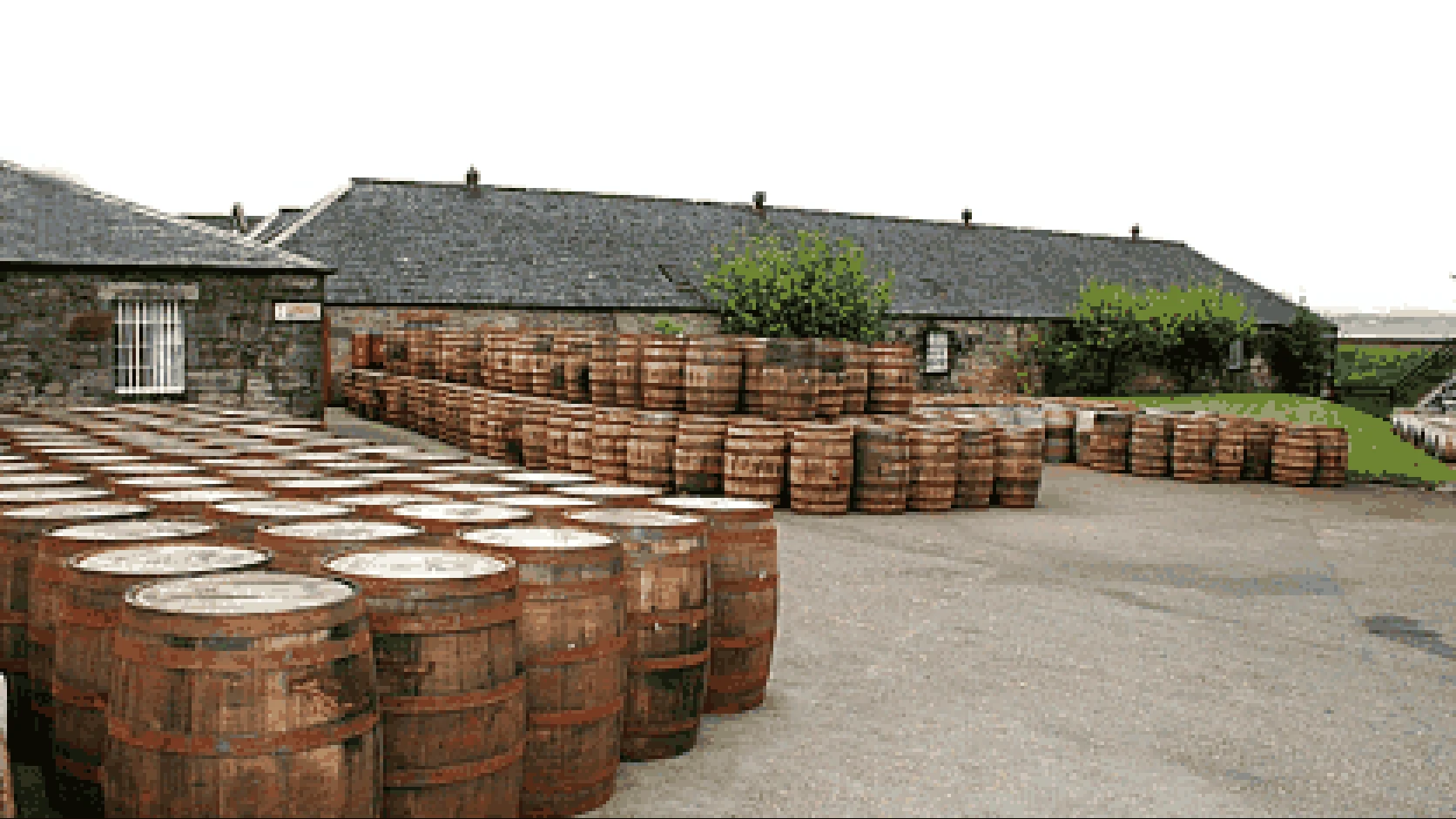
Fill is the order of use of the cask.
In the Scotch industry, 1st-fill generally refers to the first time a cask is filled with Scotch spirit. This does not mean that the cask itself is new oak. For example, when a cask containing bourbon comes to Scotland and is used for the first time, it may become 1st-fill ex-bourbon.
| expression | Common roles |
|---|---|
| 1st-Fill | Relatively strong influence of extractable components and previous contents |
| 2nd-Fill | Cask influence is muted and easy to balance with spirit |
| 3rd-Fill | More delicate cask influence, available for longer maturation |
| Re-Fill | A comprehensive expression for barrels that have been used multiple times |
It's not a bad cask if you use it a lot. A refill cask may be more appropriate if you want to preserve the distillery's unique fruity, grainy and waxy character rather than a strong sherry impression. Conversely, casks with excessively low activity may not produce the desired maturation results, making management by the producer important.
To make the Maker Game easier to understand, the rule is that the cask used first has a greater contribution to price and flavor. In reality, cask condition and maturation goals determine price and quality together.
Activity matters more than the ordinal number
Two first-fill casks may differ in oak, former contents, rebuilding and heat treatment. A refill cask can remain valuable when it is sound and produces the intended rate of maturation. Producers sample casks because fill history is useful evidence, not a complete diagnosis of current activity.
Match the cask to the maturation goal
| Goal | Possible direction | Risk to watch |
|---|---|---|
| Emphasise vanilla and oak quickly | Active first-fill | Spirit character may be covered |
| Preserve fruit and cereal | Second-fill or refill | Change may be too slow |
| Limit oak in long ageing | Sound refill | Condition and leakage still matter |
| Add a second accent | Finish after main maturation | Balance can change quickly |
These are planning directions, not fixed rules. Spirit weight, cask size and warehouse conditions can reverse a simple expectation.
When label language is broad
Refill may not reveal the exact number of previous Scotch fills. Double Wood or Triple Cask usually describes a cask programme, not fill count. Do not infer the missing history from colour or price; record only what the producer confirms.
Separate game events from real casks
Tycoon gives refill, second- and third-fill casks a higher chance of a maturation-stall event and first-fill casks a higher chance of over-oaking. This creates management decisions; it is not a real-world failure-rate table. Actual casks require individual inspection and sampling.