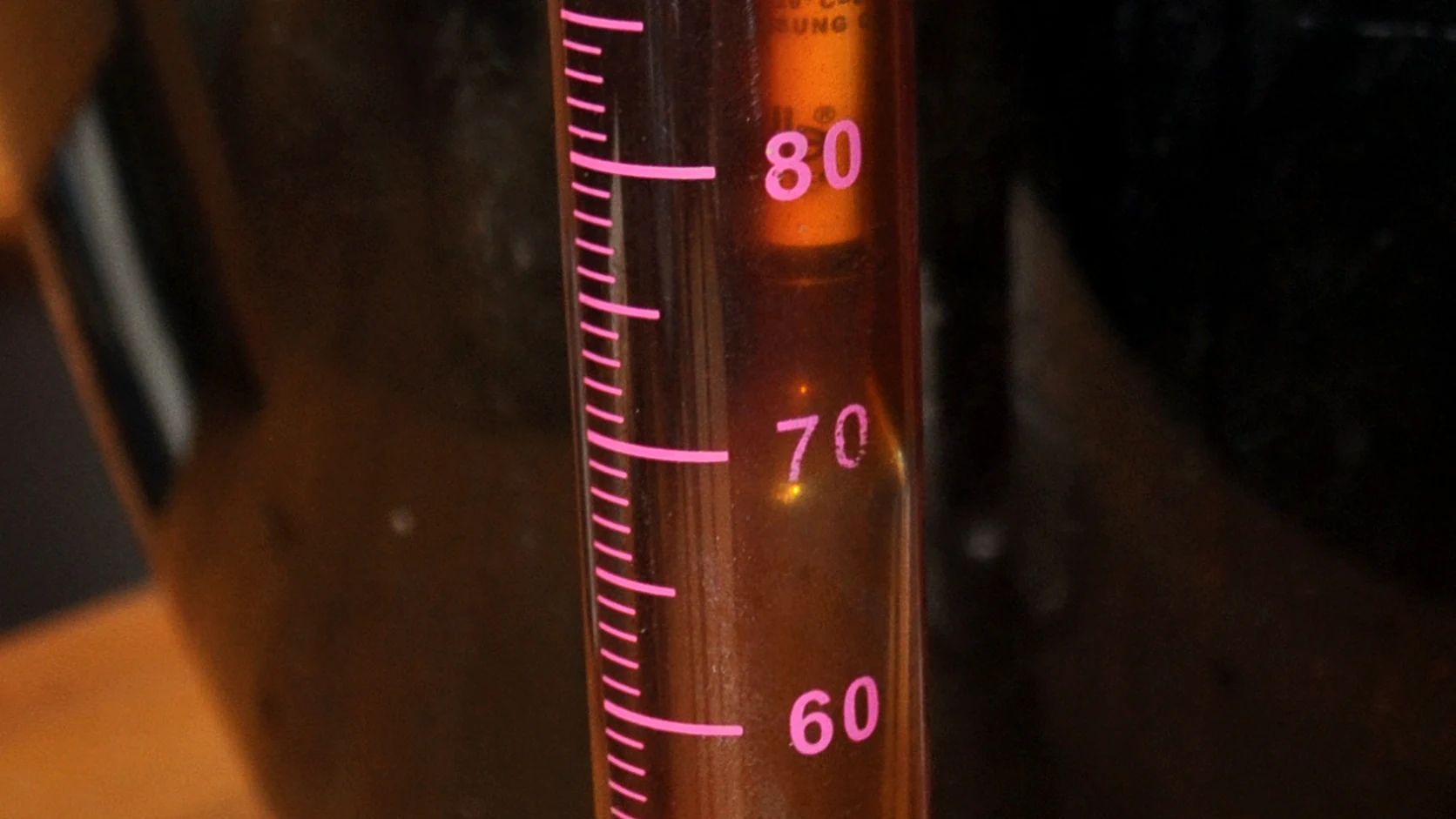
ABV and Cask Strength
ABV is the percentage of alcohol by volume. Scotch whisky must be bottled at a minimum of 40% ABV. Cask strength is a method of not diluting the aged spirit to the bottling strength, but this does not mean that all bottles are the same strength. Final proof may vary between casks and batches.
How strength changes perception
| ABV range | Changes that may commonly be perceived |
|---|---|
| 40~43% | Accessibility is good, but the density and texture of the scent may feel light |
| 46% | A common choice that aims for a balance of flavor, texture, and drinkability |
| 50~55% | Flavor density and oily texture may increase, but alcohol irritation also increases |
| Cask Strength | It presents the whisky at a high concentration, but balance can vary significantly between batches. |
High alcohol content does not necessarily mean high quality. Alcohol may mask the scent, and a few drops of water may help the scent be recognized. It is a good idea to first taste the scent as is and compare it by gradually adding small amounts of water.
Maker Game's 40%=0.90, 46%=1.00, 55%=1.10, and CS=1.20 are balance multipliers that express flavor intensity. It is not a formula that guarantees actual organoleptic quality.
Cask strength changes during maturation
Water and alcohol slowly leave the cask. Temperature, humidity, airflow, cask condition and warehouse position affect which is lost faster, so age alone cannot predict the final ABV. An old cask-strength whisky can therefore be bottled below a younger one. The term also does not by itself say whether the release comes from one cask or a batch.
Adding water: calculation and tasting
Twenty millilitres of whisky at 60% ABV contains about 12 millilitres of alcohol. Adding 5mL of water makes 25mL at roughly 48% in a simple calculation. In tasting, begin neat, add a few drops, wait, and record whether fruit and floral notes open or only the alcohol prickle falls. More water is not always better; delicate whisky can lose its centre.
Reading strength with price and yield
Lower bottling strength can produce more bottles from the same spirit, but real pricing also includes packaging, duty, distribution, batch size and demand. Higher ABV is not a quality certificate. Maker uses strength to model flavour intensity, bottle yield and revenue as a game trade-off, not to predict a real bottle's price.