What happens before the game
whisky Maker is a game that focuses on the steps of selecting casks and maturation conditions. In an actual distillery, malting, mashing, fermentation and distillation are carried out before merging. Small differences at each stage change the character of the new make spirit entering the cask, and the differences remain even after maturation.
1. Malting
Water is absorbed into the barley to begin germination, and then growth is stopped by drying with heat at the appropriate time. This process prepares enzymes that can later convert the barley's starches into sugars. The use of peat smoke in the drying process leaves smoky, medicinal and earthy precursors in the malt. Not all malt whiskeys use peat.
2. Milling & Mashing
Grind the dried malt to create a grist and mix it with hot water in a mashturn. Enzymes convert starch into fermentable sugars, resulting in wort, a sweet liquid. The temperature of the water, extraction method and clarity of the wort can affect the flavors that will emerge from subsequent fermentation and distillation.
3. Fermentation
Transfer the wort to a washbag and add the yeast. Yeast converts sugars into alcohol and carbon dioxide and creates a variety of flavor compounds, including fruity, floral, grain, and lactic acids. Wash, after fermentation, is a low-alcohol liquid similar to beer, but without hops. Fermentation time, yeast, and washback material are variables that create a distillery’s style.
4. Distillation
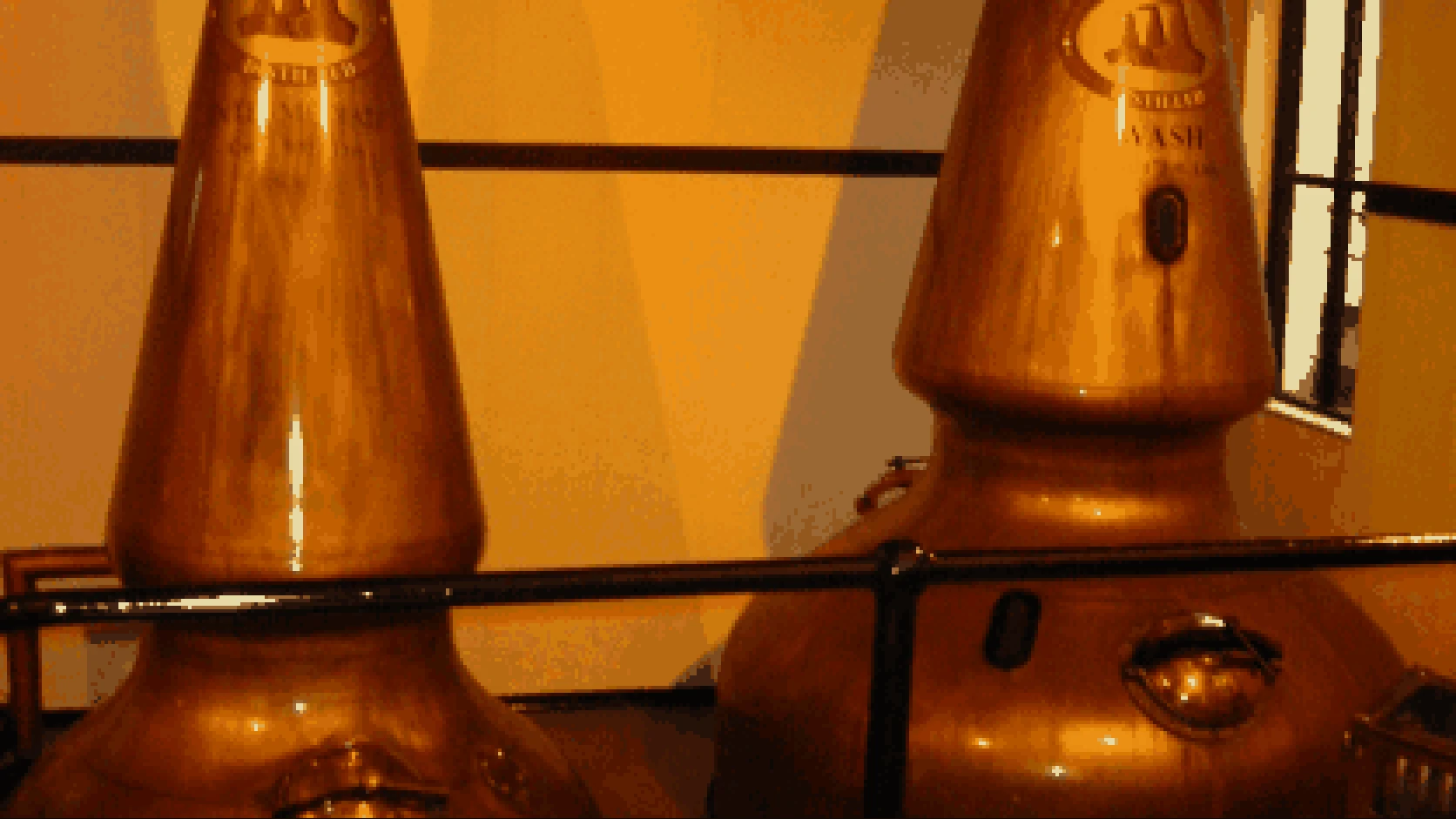
Single Malt Scotch is batch distilled in copper pot stills. Raw wine is usually made in a first wash still and distilled again in a second spirit still. The distillery manages a cut that divides the first, middle, and back streams, and uses the central section, the spirit cut, for inflow.The height and shape of the still, heating method, reflux and distillation rates change how much heavy and light components pass through. Copper also plays an important role in reducing unwanted sulfur-based components. Some distilleries may have different distillation counts, so it's impossible to say for certain that all Scotch is distilled exactly twice.
5. Casking & Maturation
The alcohol content of New Make Spirit is adjusted, filled into oak casks, and aged in warehouses. To become Scotch whisky, it must be aged in Scotland for at least three years in oak casks of less than 700 liters. During this period, evaporation, oxidation, extraction of oak components and lingering notes from the existing cask come into play.
| process | Main difference |
|---|---|
| Malting | Grain background, use of pits and acting characteristics |
| Mashing | Sugar extraction, clarity of wort and grain character |
| Fermentation | Flavor precursors of fruits, flowers, lactic acid, and grains |
| distillation | Lightness/heaviness of spirit, sulfur content, texture |
| Maturation | Oak, vanilla, spices, fruit, oxidation and concentration |
A good cask does not erase all the character of a New Make. When distillery character and cask character are balanced, the personality of the finished whisky is created.