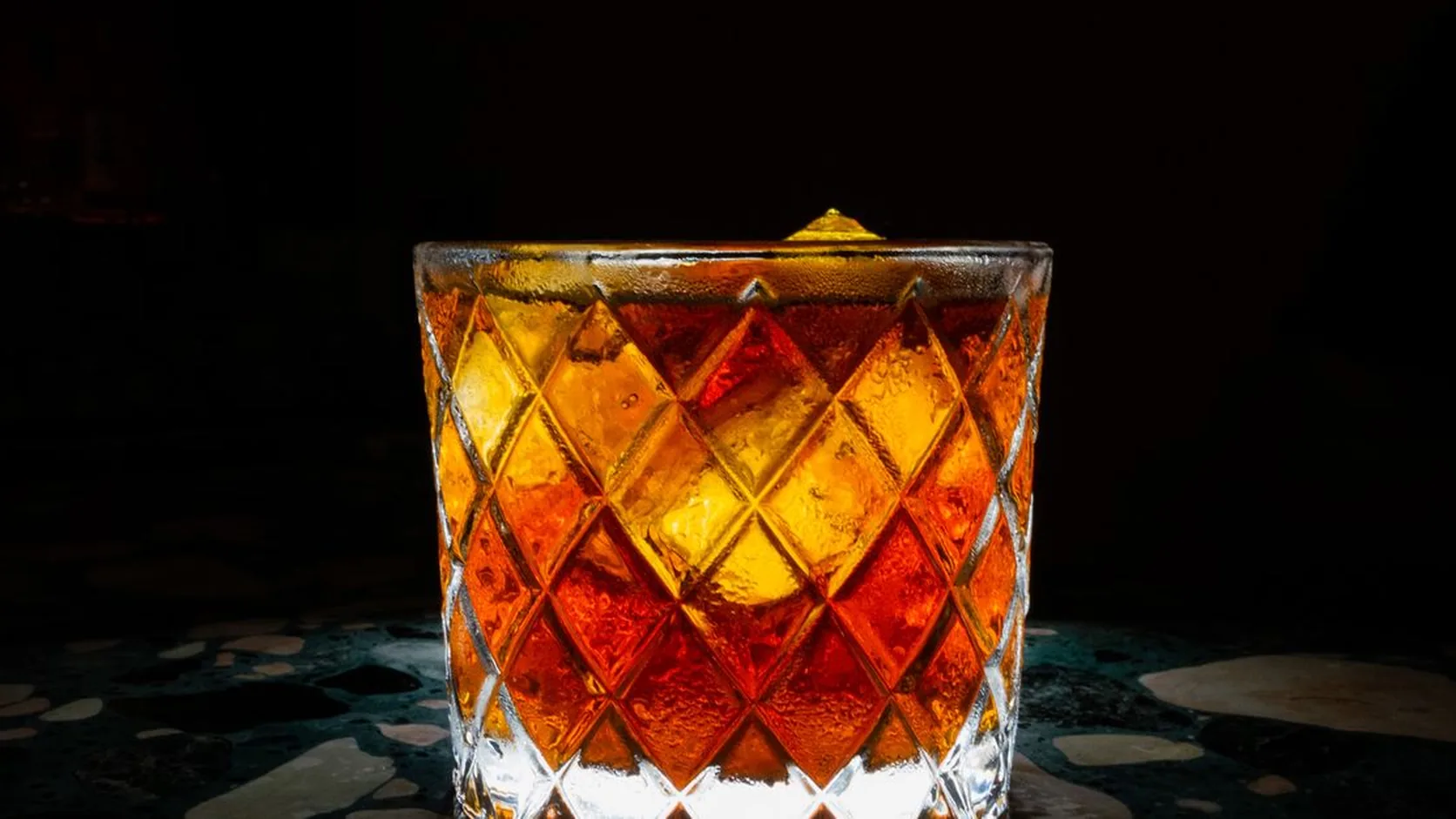
A cocktail that organizes, not adds to cocktails.
The Old Fashioned is a classic cocktail made by adding a small amount of sugar, bitters, and water to whisky. IBA suggests 45ml of bourbon or rye whisky, 1 sugar cube, Angostura bitters, and water. Although the number of ingredients is small, the results depend greatly on the time of stirring and the degree of dissolution of the sugar. The goal is not to cover up the taste of the whisky with sweetness, but to outline the flavor with bitterness and sweetness.
Based on 45ml of 40% whisky and considering dilution of other ingredients and ice, the finished alcohol content is approximately in the 25-30% range. There is a big difference depending on the ice size, glass temperature, and stirring time. Since it has a much higher alcohol content than Highball, it is appropriate to take small sips to check for changes in flavor and temperature.
| composition | role | Changes that occur when you overdo it |
|---|---|---|
| whisky | Body and core scent | May be preceded by alcohol stimulation |
| sugar | Reduces bitterness and alcoholic edges | Sticky and dull scent |
| bitters | The connection between spice and bitterness | Herbal notes cover the whisky |
| water and ice | Dissolve, Cool, Dilute | The structure becomes loose and shortened. |
Why melt the sugar cubes first?
If the sugar cube is less dissolved, the first sip will be dry and the last sip will be too sweet. Place a sugar cube in the bottom of the glass, moisten it with bitters, then add a very small amount of water and mash to dissolve. You don't have to be completely transparent, but make sure no big decisions are left behind. Using syrup is quick and uniform, but checking the flavor of the bitters while dissolving the sugar cubes is useful for creating a standard for adjustment.
If you substitute syrup, do not add a large amount from the beginning. Start with about 5-7ml of basic syrup, and reduce it further if the whisky itself tastes sweet. This is because the vanilla and caramel flavors from the cask can be perceived as sweet even if they are not actual sugar.
Stirring deals with temperature and water simultaneously.
Large ice melts more slowly than several small ice cubes and moves more easily in the glass. After pouring in the whisky, slowly stir it between the ice and the wall of the glass with a bar spoon. The judgment is based on the temperature and taste of the glass rather than a set number of times. Stop when the outside of the glass has cooled sufficiently and the alcohol has softened slightly.
If you put small, wet ice cubes in a cold glass, a lot of water will form before it cools. Conversely, if you stir too briefly, the sugar and bitters will not be evenly mixed into the whisky and a pungent first taste will remain. Keep ice frozen until just before use, and cool glasses in advance if possible.
How to Read the Difference Between Bourbon and Rye
Bourbon often has hints of vanilla, caramel, and sweet oak, so it flows naturally with sugar. Rye whisky can be felt more clearly as the dry impression of herbs, pepper, and grains combine with bitters. This difference is not one of superiority or inferiority, but a difference in the direction of completion. If you want a smooth, round glass, you can use bourbon as a reference point, if you want spice and a long finish, you can use rye as a reference point.
When applying it as a single malt, smell the concentrate first. If the dried fruit is strong, like a sherry cask, reduce the sugar, and if the malt is light and floral, minimize the bitterness. Peated whisky makes an interesting contrast with the orange peel, but strong bitters can complicate the flavor. At first, skip the shell decoration and check the basic balance of the glass.
Orange peel is more than decoration
If you lightly press the orange peel on the glass to express the oil, the citrus scent comes in first as your nose approaches the glass. Because pulp is not added, little acidity and sugar are added to the juice. If you squeeze the white inner skin too much or leave it in the glass for a long time, the bitter taste may increase, so use the thinly peeled skin briefly.
If the scent of the skin is stronger than that of the whisky, you can express the scent and then throw it away rather than putting it in the glass. The heart of the Old Fashioned is whisky. Decoration does not create a new scent that does not exist, but is an auxiliary means of connecting existing impressions of citrus, vanilla, and spice.
Inspection by cause of failure
Only the last one is too sweet
The sugar did not dissolve sufficiently. For the next glass, mix the sugar cubes, bitters, and water first before adding the whisky and ice. If you need quick reproduction, switch to measured basic syrup.
It's bland and tastes like water.
There may be a lot of water on the ice surface or it may have been stirred for too long. Use a chilled glass with large solid ice, and stop stirring once you notice it has cooled. If left for a long time after completion, dilution continues.
Only the scent of bitters remains.
When it comes to bitters, even small differences feel big. The dash size on the bottle may vary more than the exact number of drops, so use the minimum amount for your first drink. Insufficient aroma can be increased in the next glass, but it is difficult to restore excessive aroma in the finished glass.
Turn one drink into a record of your tastes
Record the name of the whisky, type and amount of sugar, amount of bitters, and impressions before and after stirring. Rather than just writing down ‘sweetness,’ you can distinguish between dissolution problems and ratio problems by leaving changes over time, such as ‘the first sip is dry, the last sip is sweet.’ The Old Fashioned has fewer ingredients, so it's a good glass to learn the consequences of small adjustments, but don't forget that it has a high alcohol content, so enjoy it slowly.