Peat is not a single flavor
Bundling peated whisky simply as a ‘smoke flavor’ narrows down your pairing choices. Depending on the product, different impressions overlap, such as wood fire, ash, disinfectant, seaweed, salt, earth, tangerines, and vanilla. The official description of Laphroaig 10 Year Old also suggests peat smoke, seaweed, saltiness, and sweetness. For snacks, you must first decide which axis to continue.
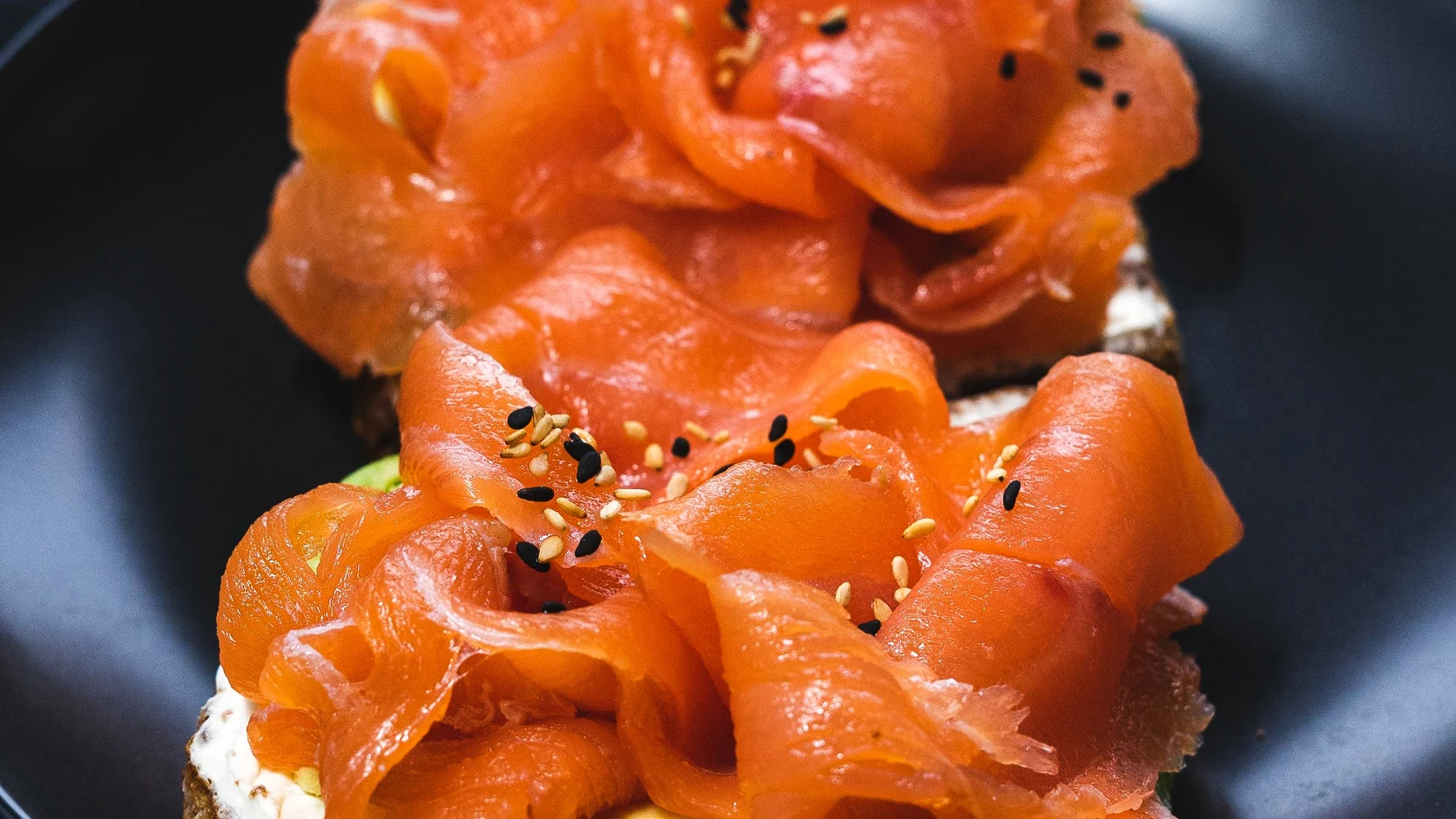
Smoking food enhances the smoke axis, and seafood and salt link the impression of a sea breeze. Honey or fruit can reveal a hidden sweetness compared to peat. Neither direction is the right answer, but if the strength of both ingredients is high, the detailed aroma of the whisky and the original flavor of the food may disappear.
| target | Good stuff to start with | Changes to check |
|---|---|---|
| smoke connection | Small pieces of smoked cheese | Does the scent of ash and wood fire last longer? |
| sea breeze connection | Lightly seasoned grilled seafood | Does the saltiness and tangerine become clearer? |
| sweetness contrast | Pear, apple, small amount of honey | Can you see the vanilla and fruity scents? |
| texture relief | Unsalted nuts, creamy cheese | Does the alcohol soften the edges? |
When overlapping smoking, reduce the amount.
Peat whisky and smoked cheese or smoked meat are an intuitive combination. The common scent may continue and the lingering effect may be long, but if the food has a strong smokiness, all whiskeys will feel similar. Eat a thin, small piece first, and after the oil and salt in your mouth has subsided to some extent, take a small sip of the whisky.
Foods such as barbecue, where sweetness, acidity, garlic, pepper, and smoke are all intense, make it difficult to identify why a pairing works. To understand the relationship with peat, start with a simple ingredient such as lightly seasoned smoked cheese or grilled mushrooms. First identify the axis that works, then expand toward more complex foods; the result is easier to reproduce.
For seafood, look at salinity and cooking aroma.
Foods reminiscent of the sea, such as oysters, clams, and white fish, can be linked to the algae and salty impression of peated whisky. However, freshness and personal health are important when it comes to raw seafood, and strong vinegar or garlic seasoning can easily cover up the whisky flavor. At home, it is safer and simpler to lightly season fully cooked white fish or shrimp and compare in small quantities.
Adding lemon can brighten the citrus flavor between bites, but if the acidity is too much, the next sip will feel harsh. Rather than sprinkling a lot of lemon all over your food, try using a small amount on just one slice and see the difference. Salt is adjusted in the same way.
Sweet contrast reveals hidden scents
Even in peated whisky, there can be sweet impressions of vanilla, fruit, and malt from the cask and fermentation. Juicy, simple-flavored fruits like apples and pears create contrast without taking away the smoke. When honey is added to crackers in a very small amount, it is easy to see a change in sweetness.
Cake or milk chocolate with a high sugar content fills the mouth with sweetness, making the next sip more bitter and alcoholic. If you want to match dessert, start with small pieces and low sugar content. The bitterness and roasting of dark chocolate can lead to peat, but the stronger the cacao, the more fruity flavors can be masked in the whisky.
Include water and temperature in pairing
The stronger the peat flavor, the more different the flavor layer can be when adding a few drops of water to the whisky. If it is difficult to compare before and after snacking, record the state of the liquid first and add a small amount of water only in the next step. If you change both your food and water at once, it's difficult to tell what made the change.
If you drink it too cold, the stimulation of the alcohol will be reduced, but the flavor may also be masked. Conversely, in a warm environment, the volatile scent and irritation become stronger. In pairing comparisons, it is easy to read differences in food when the same glass, similar temperature, and same amount of water are used.
Starting combinations by intensity
For light peat and balanced whiskeys, start with low strengths such as unsalted almonds, light crackers, and soft cheese. A medium-strength sea breeze type might go well with lightly seasoned grilled seafood or a small piece of aged cheese. Strong peat can withstand smoked cheese or dark chocolate, but reduce the amount and see if the detailed flavor of the whisky remains.
Food strength is not determined solely by product price or pit value. The perceived intensity varies depending on maturation, cask, and bottling strength. To reduce failure, choose based on the actual scent in the glass and make the first combination milder than expected.
Causes of failure and how to reverse it
Everything tastes like smoke
There was an excessive amount of smoked food and peat. Drink water, rest, and prepare with unsmoked crackers or fruit. Do not increase the amount of whisky to compete with the food.
Salty taste and alcohol stimulation increase together
Seafood or cheese may have been high in salt. Switch to salt-free ingredients and drink water with them. Salt can give the whisky a sweet taste, but as it increases, it dries out the mouth and causes irritation.
The pharmaceutical-like scent is emphasized uncomfortably.
Certain fit impressions are sensitive to each individual. There is no need to force yourself to get used to it. It is more accurate to discover your taste by adding a small amount of water or trying simple fruits, and if you are still uncomfortable, choose a different style.
Questions to Record
Four questions are sufficient: ‘Did the smoke get longer?’, ‘Did the sea breeze turn salty?’, ‘Did hidden fruit appear?’, and ‘Did the food erase the whisky?’ Pit pairing is not a game where the strongest are pitted against each other. It is a process of reflecting one's favorite scent through food among the many scents already present in a cup.